
Fellowship Program
……………………………………………………
Our yearly Fellowship programme is designed for academics and practitioners at all stages of their career to engage in electoral integrity research, with the support of the EIP, other fellows, and members of our Advisory Board. Junior Fellows are academics at the level of Master’s or PhD Student. Fellows are academic at the level of postdoctoral fellow, Assistant Professor, Lecturer, or the equivalent. Senior Fellows are academics at the level of Associate or Full Professor, Senior or Principal Lecturer, Reader, or the equivalent. Practitioner Fellows are practitioners in a field related to electoral integrity at any stage of their career. This may include fellows from government, non-governmental, civil society, or industry.
COMPONENTS
Conduct an academic research project on a topic related to electoral integrity.
Produce a working paper and associated conference presentation for our annual workshop
Engage in monthly seminars, where fellows will present their work to receive valuable feedback and engage in stimulating discussion.
Junior fellows will have the option to be matched with a senior mentor from our International Advisory Board or established practitioner partners.
TYPES OF FELLOWSHIPS
Junior Fellows: Academic at the level of Master’s or Doctoral Student or Candidate.
Fellows: Academic at the level of postdoctoral fellows, Assistant Professor, Lecturer, or the equivalent.
Senior Fellows: Academics at the level of Associate or Full Professor, Senior or Principal Lecturer, Reader, or the equivalent.
Practitioner Fellows: Practitioners in a field related to electoral integrity at any stage of their career. This may include fellows from government, non-governmental, civil society, or industry.
IN ADDITION TO GENERAL FELLOWSHIPS, Two NAMED FELLOWSHIPS ARE AVAILABLE:
Carter Center Democracy Fellowships (2 fellowships available): $1000 USD each: For students or scholars from any country, working on any area of electoral integrity research. In collaboration with the Carter Center. (https://www.cartercenter.org/)
Electoral Management Resiliency Fellowships (2 fellowships available): $1000 CAD each: For junior scholars or practitioners working on project related to building the resiliency of electoral management as it relates to legal frameworks, leadership capacity, financial capacity, emerging technologies, and opinion shifts on electoral management resiliency. Funded in part by the Social Sciences and Humanities Research Council of Canada. (https://sshrc-crsh.canada.ca/en.aspx)
Applications for the 2027 Fellowship programme are open until 30 October 2026.
2026 Fellows
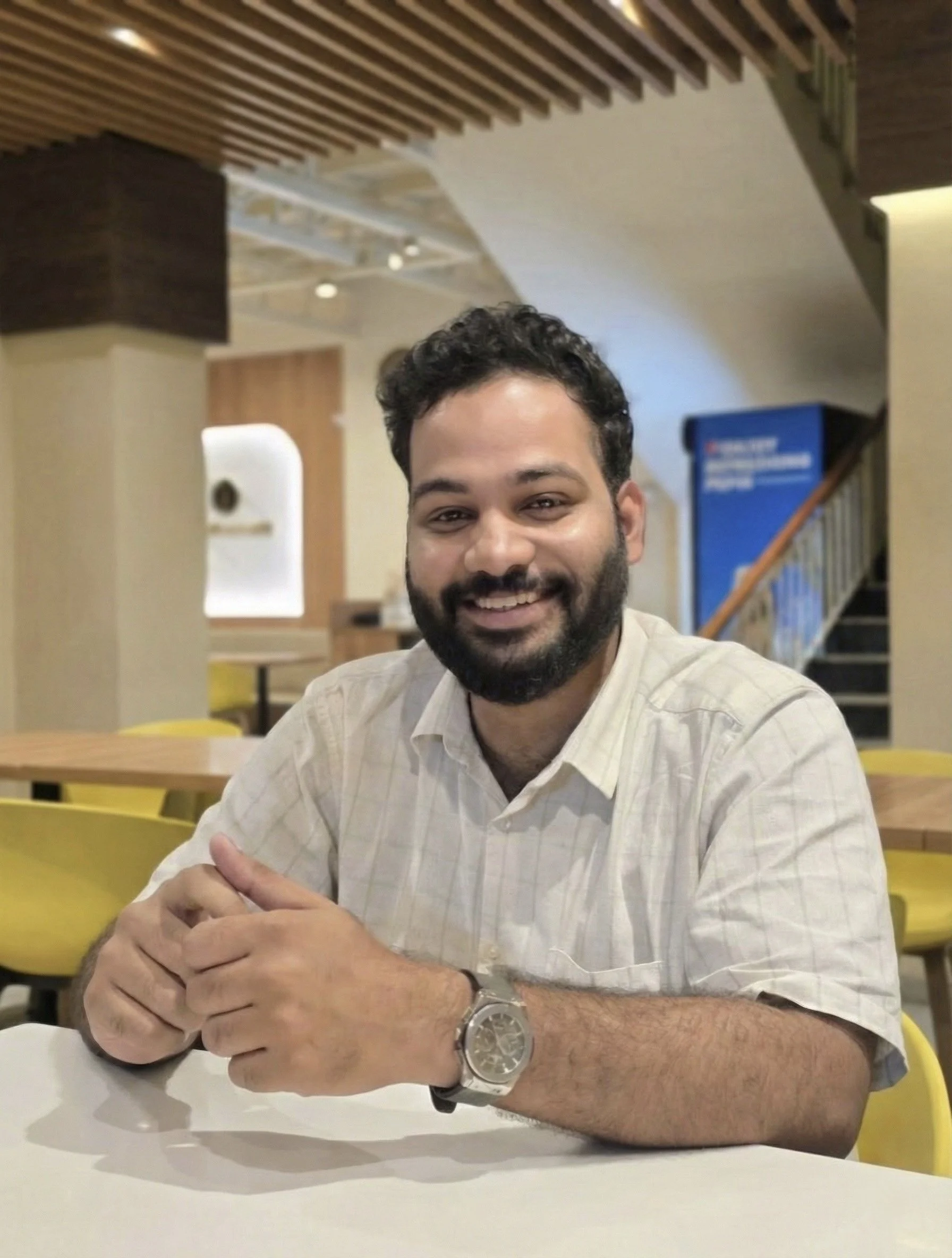
Yoosuf Ali, Carter center democracy fellowship
Yoosuf Ali is a Senior Doctoral Fellow at the Centre for the Study of Social Systems, Jawaharlal Nehru University (JNU), Delhi. His research interests include policy sociology, science and technology studies, election studies, and the study of misinformation ecosystems. He has previously worked as a Political Consultant, supporting research, strategy, and communication for major electoral campaigns in India. He is interested in exploring the intersections of technology, political communication, and electoral behaviour, particularly in relation to misinformation and its implications for democratic processes. Yoosuf holds a Master’s degree in Sociology from the Delhi School of Economics and an M.Phil. from JNU.
Svitlana Chernykh, senior Fellow
Svitlana Chernykh is a Senior Lecturer at the School of Politics and International Relations at the Australian National University. She is the recipient of the 2009 Paul Lazarsfeld Award for the Best Paper in Political Communication from the American Political Science Association and the Discovery Early Career Researcher Award from the Australian Research Council (2016-2018). Her research focuses on democratization, comparative political institutions (election, parties, constitutions), and genocide. She is the author of The Dilemma of Compliance: Political Parties and Post-Election Disputes (Ann Arbour: University of Michigan Press, 2024).
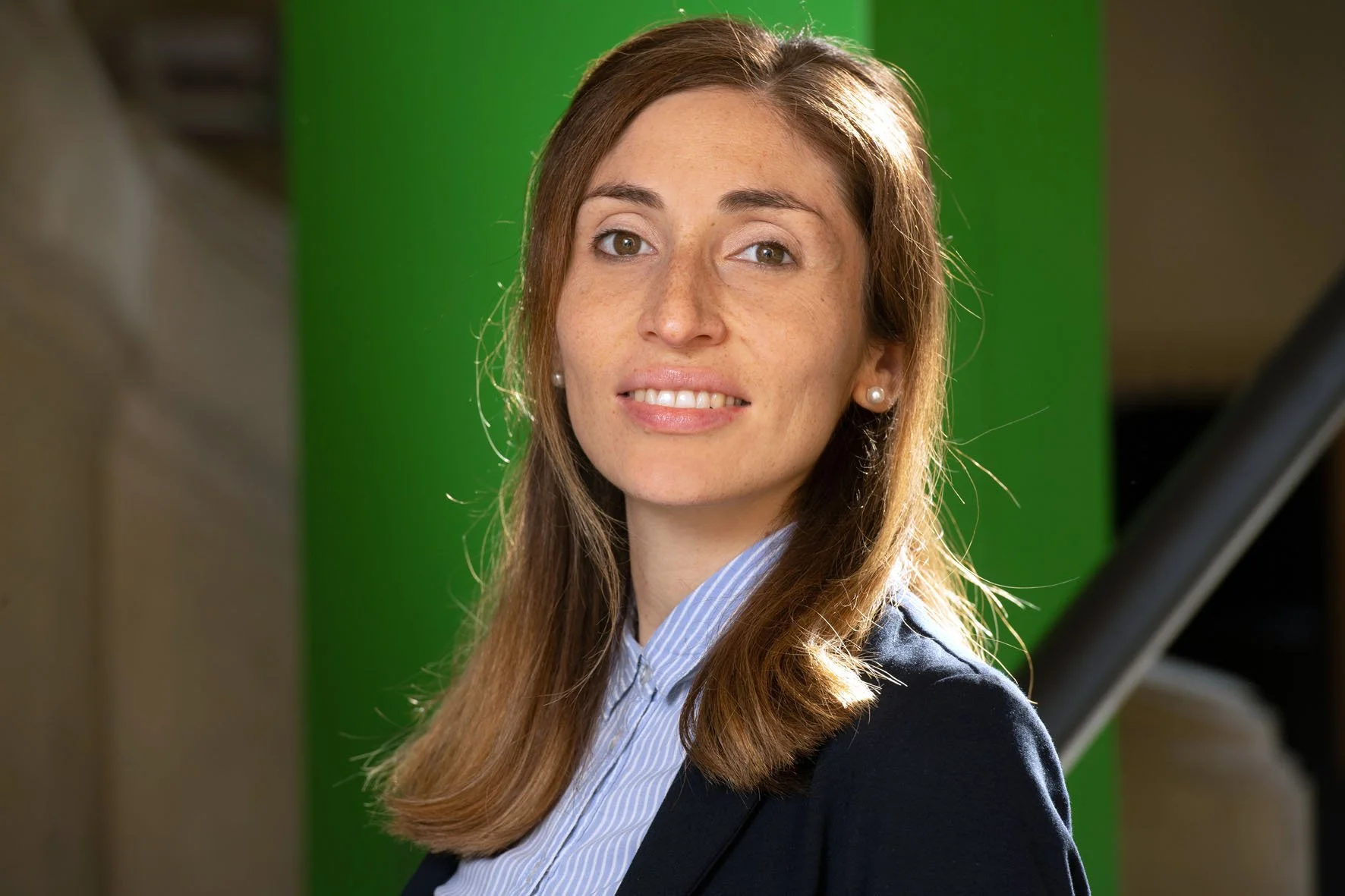
Constanza sanhueza petrarca, senior fellow
Dr. Constanza Sanhueza Petrarca is a Senior Lecturer at the School of Politics and International Relations at the Australian National University and co-chair of the Quantitative Methods Research Group at the Australian Political Studies Association. Previously, she held research positions at WZB Berlin Social Science Center, the V-Dem Institute, and Sciences Po Paris. She was a recipient of the European Union's Marie Skłodowska-Curie Fellowship and obtained her PhD from the University of Mannheim. She has consulted for international and national organizations including the European Commission, UNICEF, the United States Agency for International Development (USAID), and Australia's Departments of Foreign Affairs and Trade and Home Affairs. Her research examines democracy, elections, and representation.
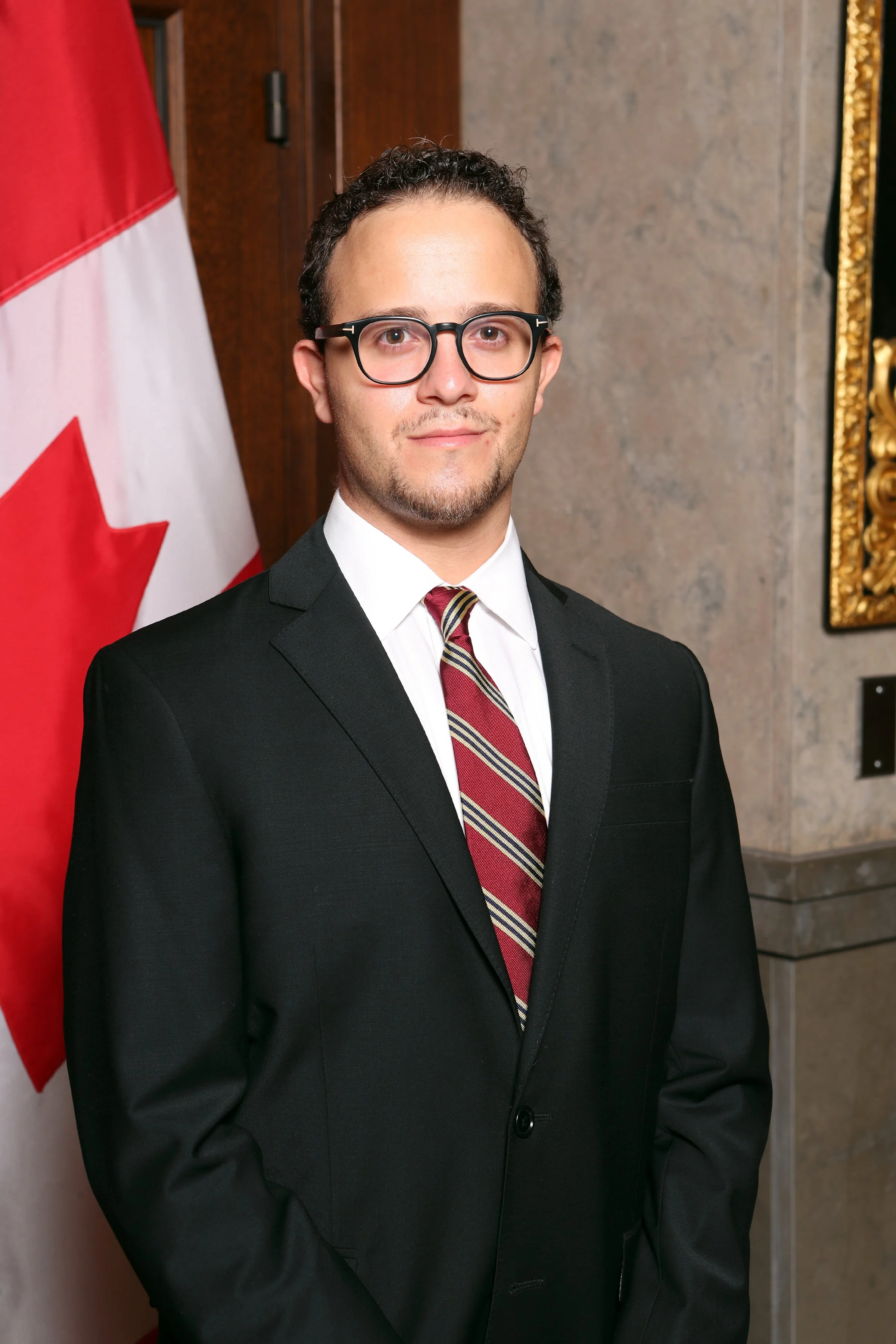
Valere Gaspard, consortium on electoral democracy fellowship
Valere Gaspard is a PhD Candidate in Political Studies at the University of Ottawa. He holds a Research Fellow position at Western University and Trent University’s Leadership and Democracy Lab and is a recipient of a Social Sciences and Humanities Research Council CGS Doctoral Award (2023-2026). His research focuses on Canadian politics, satisfaction with democracy, electoral management bodies, electoral integrity, voting, political institutions, and politicians. He is interested in better understanding how politicians and citizens think about democracy and elections, and how political institutions impact these views.
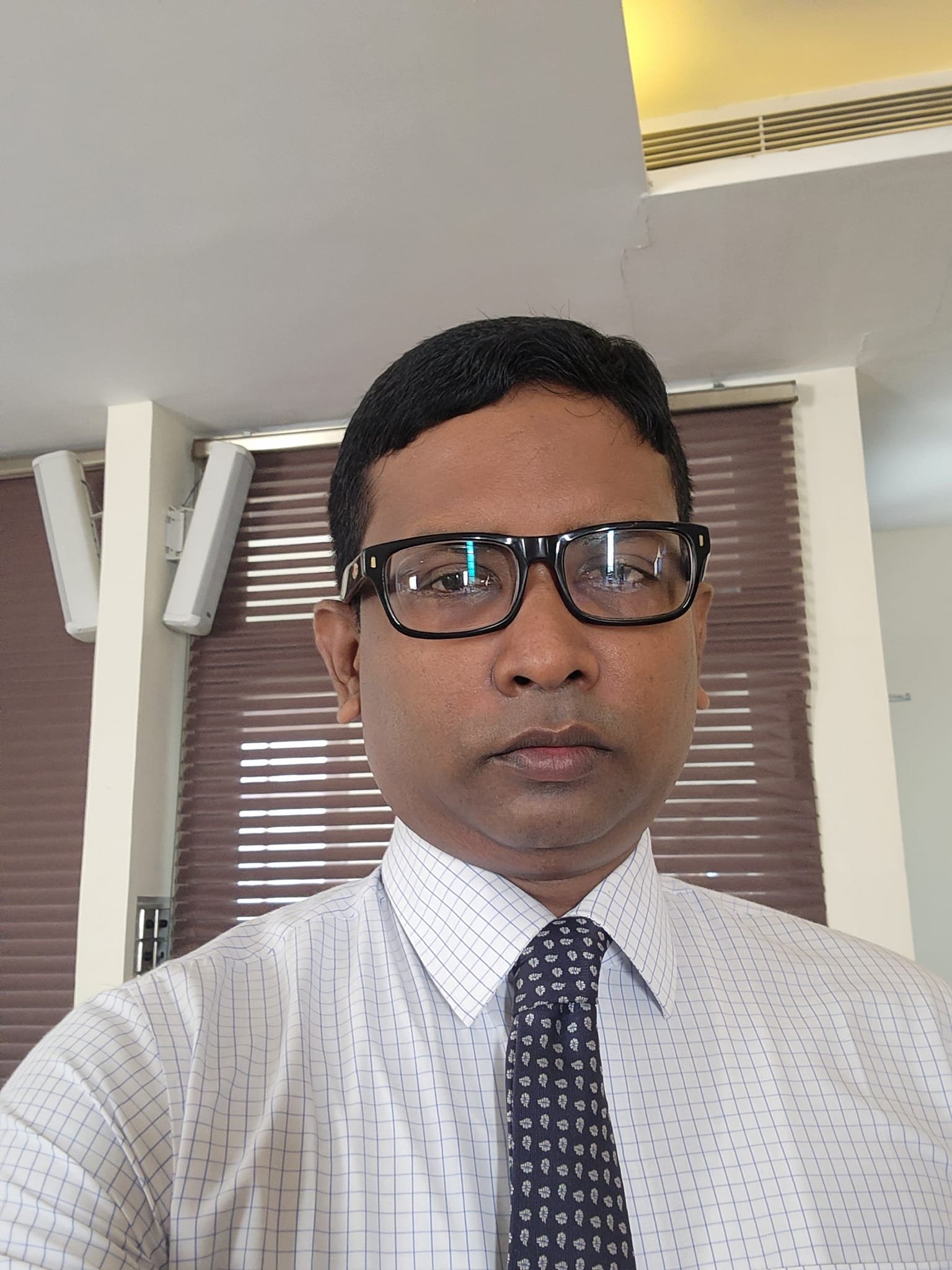
Sujith Jayasooriya, practitioner fellow
Sujith Jayasooriya is a Sri Lankan development economist specializing in public policy analysis, econometrics, and inclusive development. He has extensive experience working with multilateral institutions, including ADB, IFAD, and the World Bank, focusing on political economy, gender, social protection, SME development, and crisis impact assessments. Sujith leads Innovation4Development Consultants and contributes to national research on tax–benefit reforms, digital public infrastructure, and climate-risk macroeconomic modelling. He holds an MA in Economics and has been involved in advanced quantitative research, microsimulation, and impact evaluations. His work aims to strengthen evidence-based policy and improve welfare outcomes.
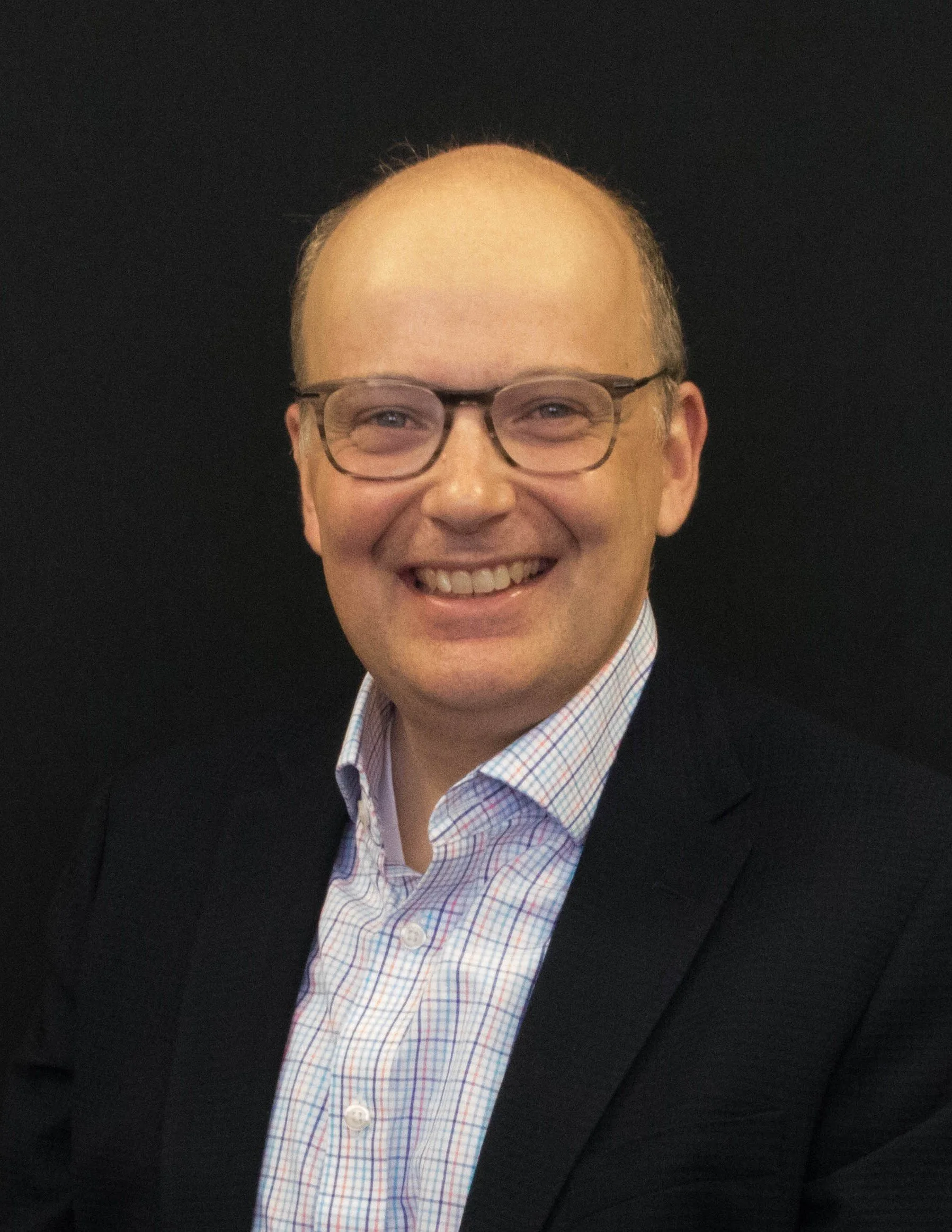
Travis N. Ridout, senior Fellow
Travis N. Ridout is Claudius O. and Mary W. Johnson Distinguished Professor and Director of the School of Politics, Philosophy and Public Affairs at Washington State University. He also serves as co-director of the Wesleyan Media Project, which tracks political advertising, and was a Fulbright Scholar in Australia in 2023. His research on political campaigns, political advertising and campaign finance has appeared in dozens of journal articles and book chapters. Ridout’s most recent book, Political Advertising in the United States, 2nd edition, was published in 2021.
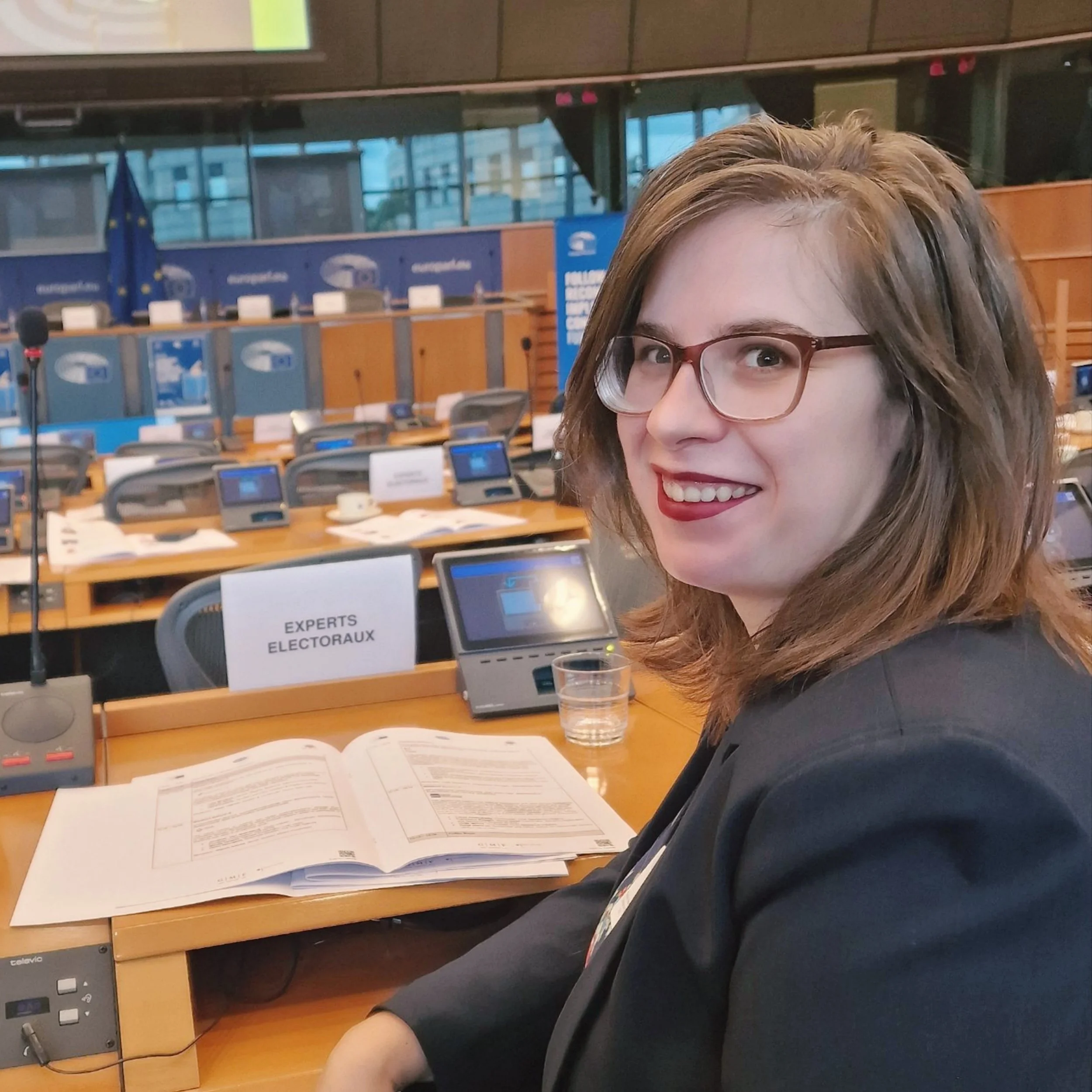
Martyna Hoffman, Practitioner fellow
Martyna Hoffman is a sociologist and election observer with experience in electoral research and monitoring. Since 2021, she has been affiliated with the Political Accountability Foundation, an NGO promoting transparency and accountability in political and electoral processes through citizen election observation and research. As part of her work there, she has recently focused on the role of polling-station workers in ensuring credible elections. Previously, she contributed to courtroom monitoring and justice-system research with Court Watch Poland. In 2024, she served as a Data Analyst with the European Union Election Observation Mission (EU EOM) in Sri Lanka.
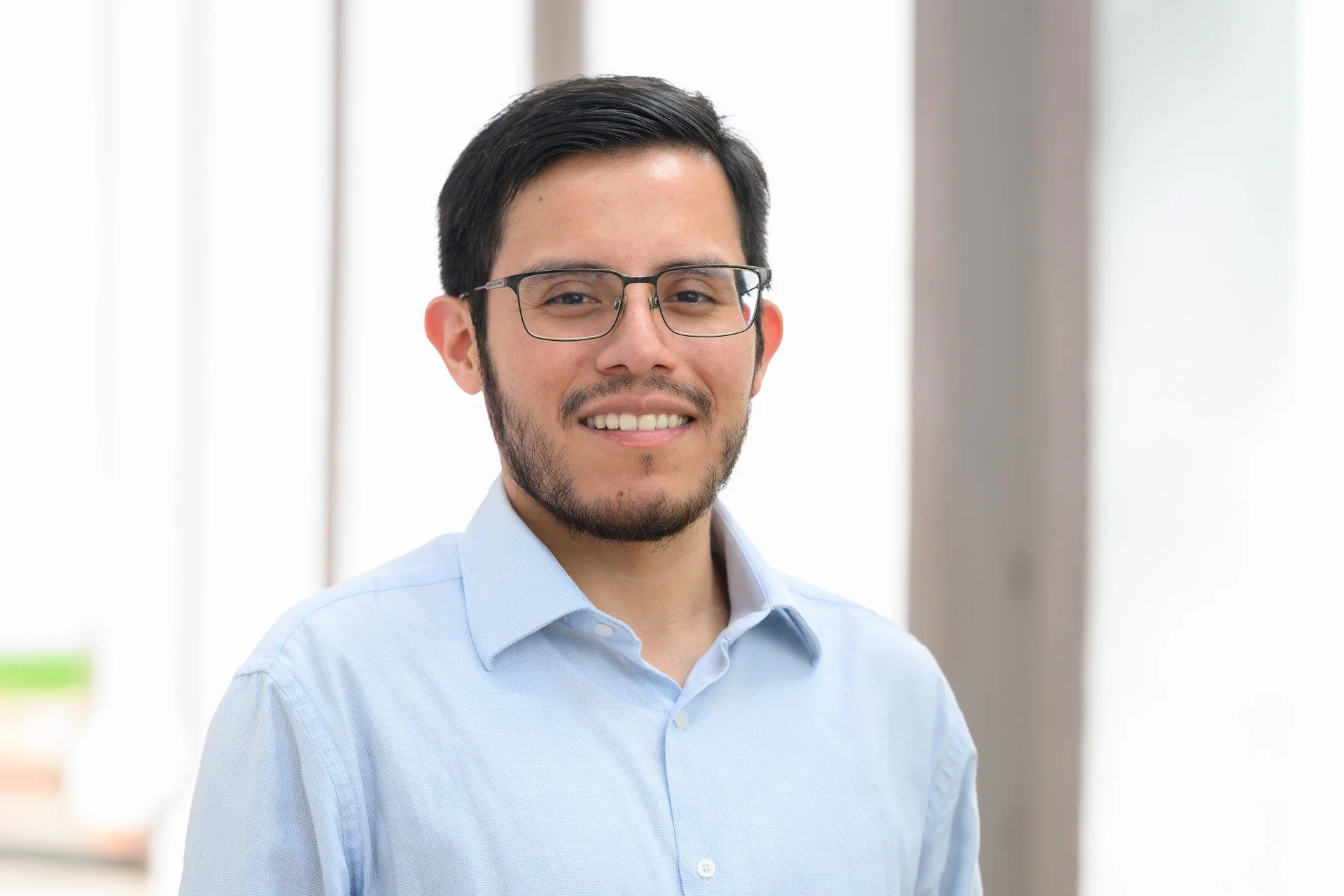
Felix Puemape, Fellow
Felix Puemape holds a Ph.D. in Political Science from Temple University, specializing in comparative politics with a focus on Latin America. His research examines the professionalization of elected and non-elected public sector positions in developing countries and the political forces that shape these processes, as well as how social identities and anti-identities interact with state institutions. He employs a mixed-methods approach integrating observational analysis, survey experiments, and qualitative fieldwork, particularly in Chile, Peru, and Bolivia. He is currently a Visiting Scholar at the Center for Sociological, Economic, Political, and Anthropological Research (CISEPA) at the Pontificia Universidad Católica del Perú.

Mohamed Muse, Practitioner Fellow
Mohamed Muse is a highly motivated professional with over 12 years of experience in security risk management, risk assessment, and supporting United Nations operations in high-risk environments in Somalia. He currently serves as an Associate Security Officer with the UNTMIS Integrated Electoral Support Group, supporting Somalia’s Elections Commission (NIEBC). He previously served in the same capacity with the UN Mission in Somalia, and has worked with WFP, NRC, and UNDP in similar roles. Mr. Muse holds MA degrees in International Relations, Sustainable Peace, and Peace and Security Studies, PGD in Peace and Conflict Studies, and BA in Business Administration.
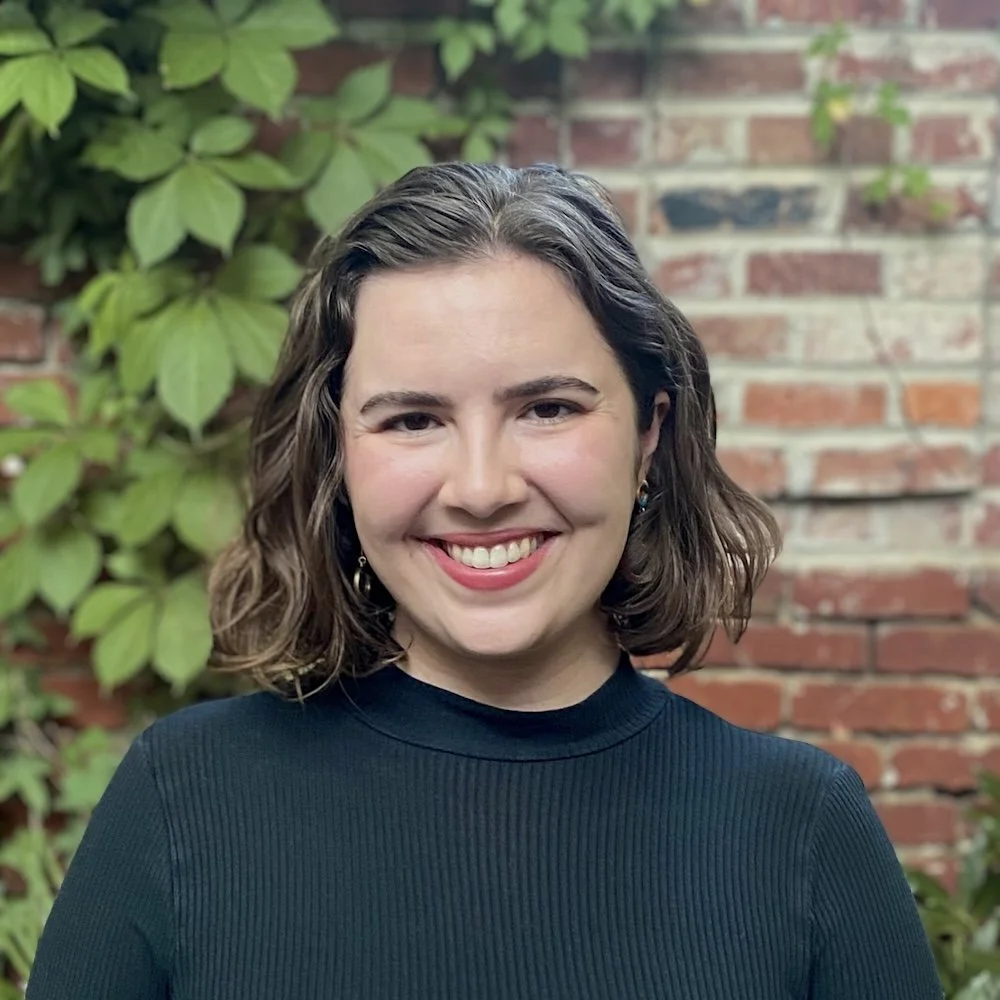
Claire hazbun, carter center democracy fellowship
Claire Hazbun is a PhD student in comparative politics and a Patrick Healy Graduate Fellow at Georgetown University. Her research interests include conflict, democratization, and African politics. Prior to beginning her PhD, she worked for several years at a democracy and governance NGO in Washington, DC, first on the Ethiopia portfolio and later in evaluation and research. She received a B.S. in International Politics from Georgetown University.