
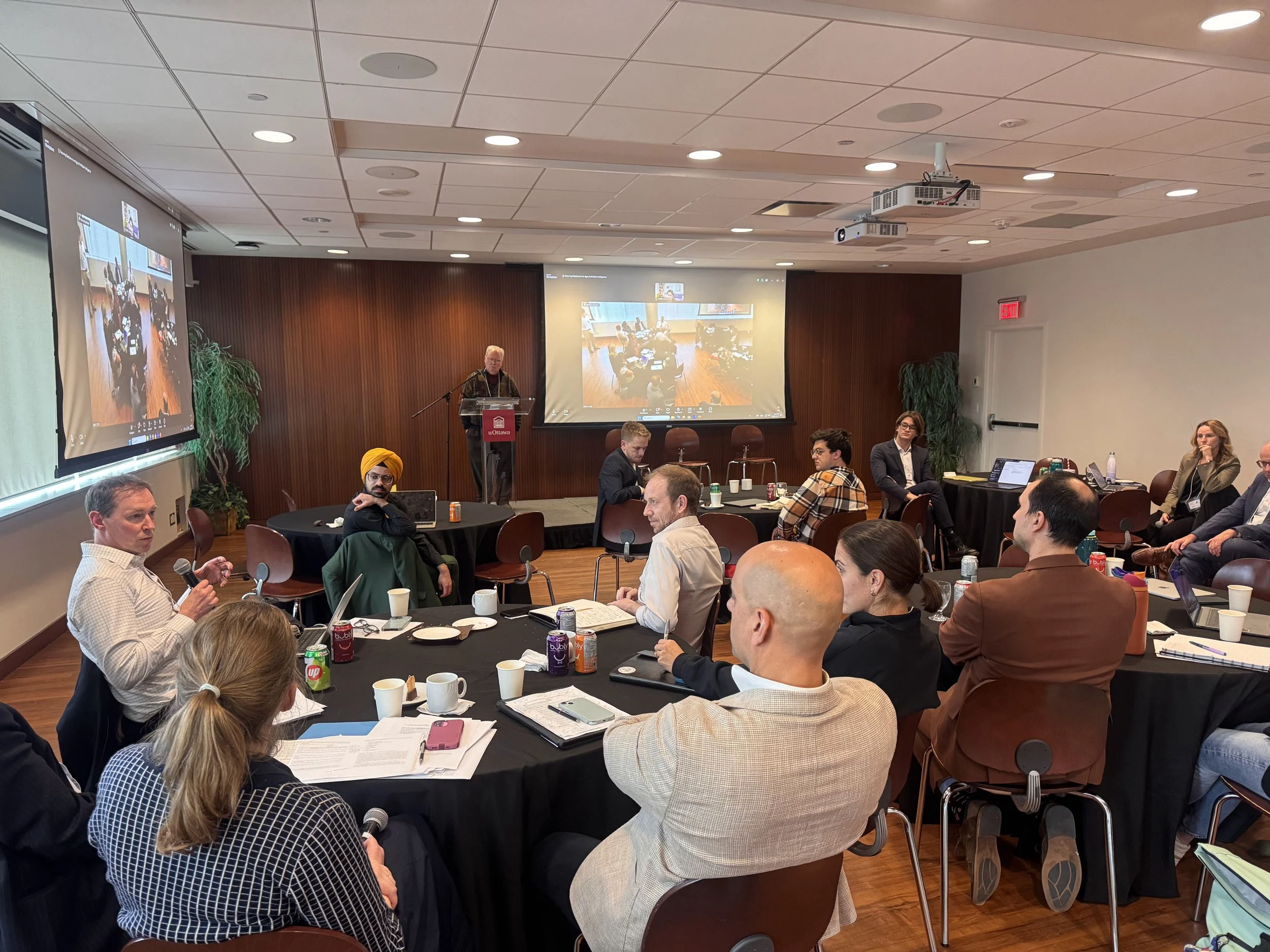
On October 23rd, 2026, scholars, civil servants, election officials, and policy experts from around the globe came together at the University of Ottawa for a one-day workshop focused on the upcoming edited volume Securing Elections in an Age of Artificial Intelligence by Michael Pal and Holly Ann Garnett. This project was made possible in-part through the support of the National Cybersecurity Consortium and the Government of Canada (CSIN).
The main goal of the workshop was to combine academic research and practical experience to explore how AI is impacting electoral integrity. Each panel included presentations on chapters from the volume and opportunities for academic and practitioner discussants to provide feedback on the presented research. These exchanges allowed authors to consider different perspectives, identify areas for further research, and explore how academic findings could inform practical approaches to the challenges facing election administrators and policymakers.
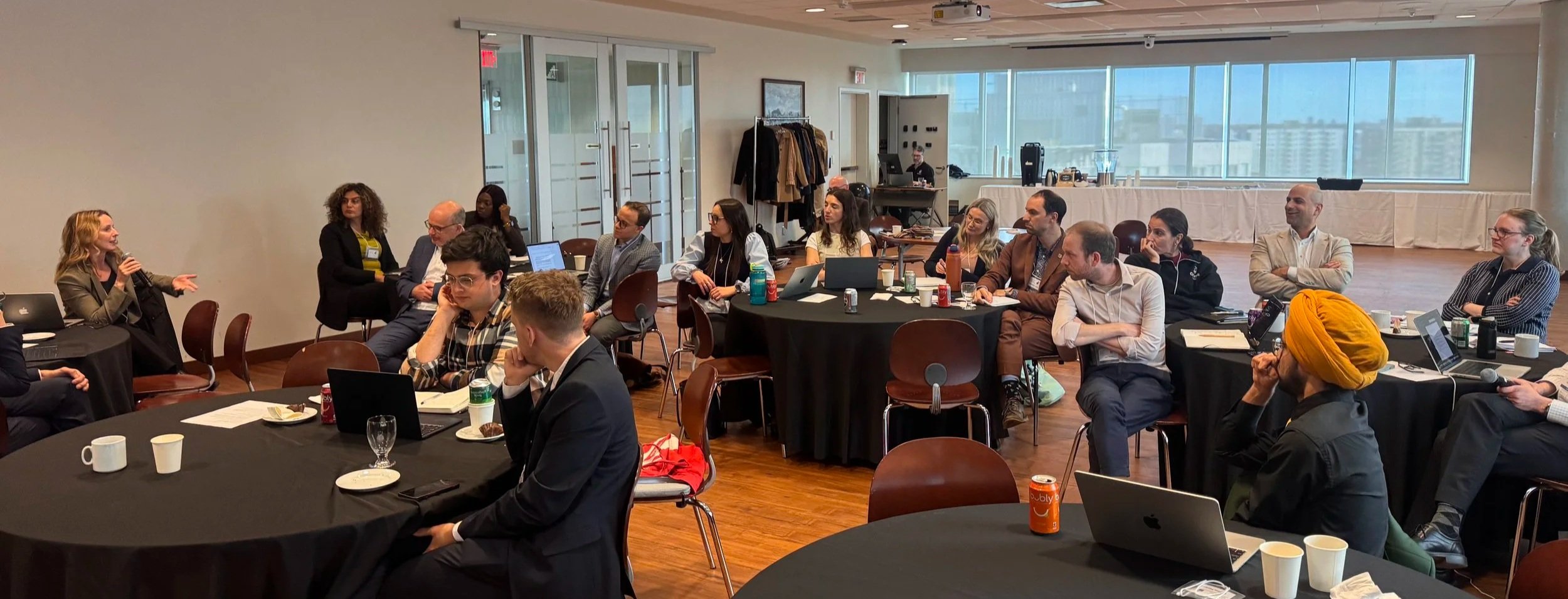
Four panels were held during the workshop examining various aspects of how AI can affect democratic elections:
Understanding Elections in an Age of AI: The opening panel discussed how the public and experts views the effects of AI on electoral integrity. It included presentations discussing the increased use of AI by various actors in the electoral process, as well as how disinformation and persuasion tools driven by AI can impact voters' capacity to make educated decisions.
Administering Elections in an Age of AI: This panel examined the advantages and disadvantages of Electoral Management Bodies’ (EMBs) use of AI. Presentations addressed the hazards of depending on emerging technology, while also considering possible applications for increasing administrative efficiency and how EMBs are integrating AI into their operations. The challenges of responding to disinformation, keeping up with rapid technological advancements, and making sure AI systems can meet the accuracy and reliability required in a “no fail” electoral environment were discussed.
Campaigning in the Age of AI: The third panel looked at generative AI chatbots, altered advertisements, and deepfakes of political figures in political campaigns. Presentations discussed how political actors are using generative AI in their campaign strategies and considered how an increase in AI use in political campaigns might sway public opinion. The wider implications of AI-driven political persuasion for democracy were considered, as well as possible regulatory solutions.
Regulating Elections in an Age of AI: The final panel discussed the difficulties in developing efficient legal frameworks to govern the use of AI in elections. Presentations examined current regulatory strategies in various jurisdictions, concerns about deepfakes and malicious impersonation generated by AI, and the responsibilities of tech companies and other actors in the AI supply chain. Discussion highlighted the difficulties of allocating ‘blame’ for AI-related electoral damages and striking a balance between election integrity and the right to free speech.
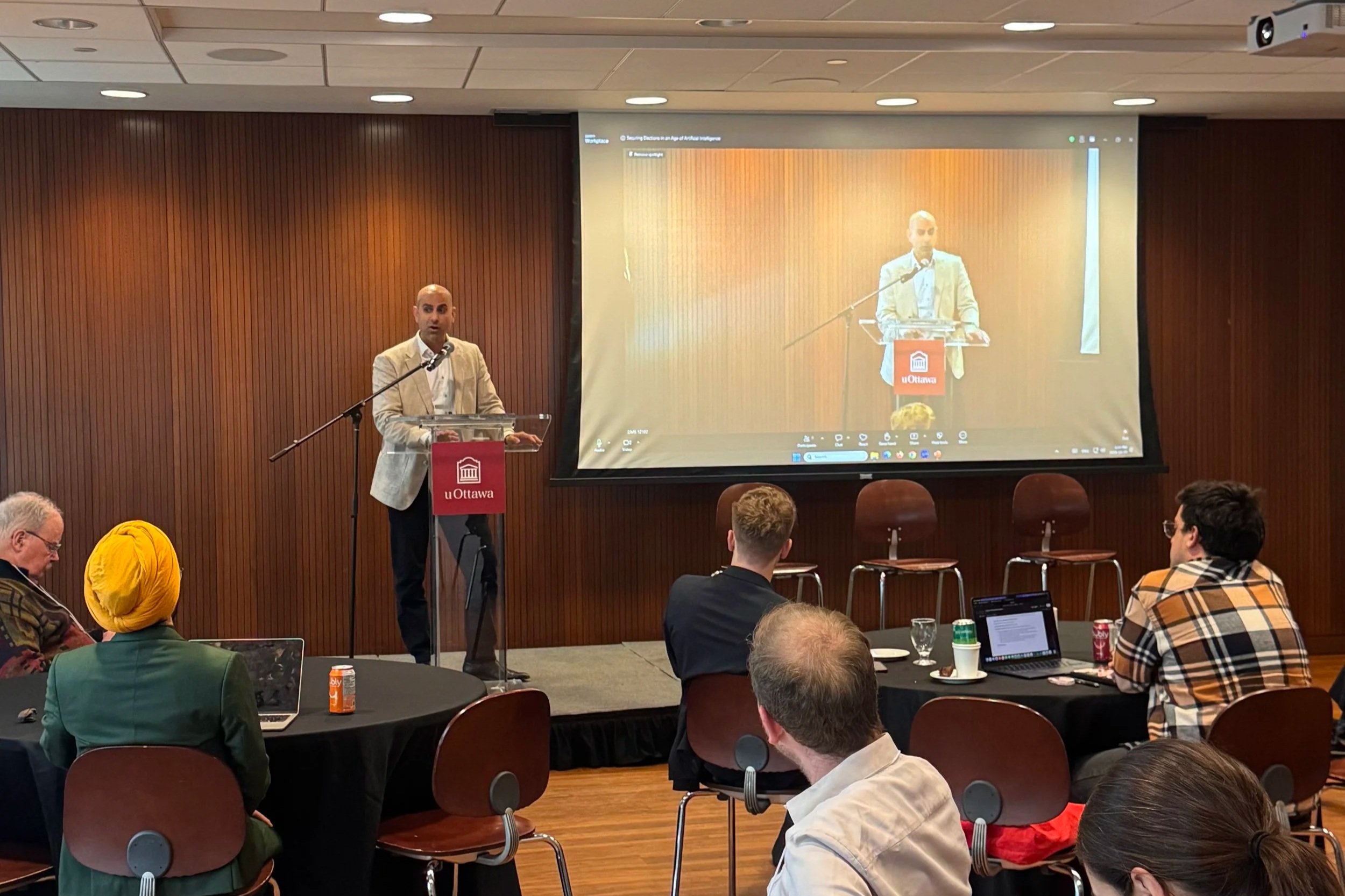
Overall, the workshop offered participants the opportunity to further their knowledge and research on AI and democratic elections. The chapters presented at this workshop are currently being developed into an edited volume on the topic.
This summary was written by Queen’s University Political Studies Research Opportunities Practicum Intern Aidan Chau.